As consumers become more environmentally conscious, even well-established brands are facing increased scrutiny over their environmental claims. Mercedes-Benz is one such brand that recently learned the hard way, when its latest ad campaign for electric cars was quickly criticized for greenwashing.
What Went Wrong with Mercedes-Benz’s Campaign?
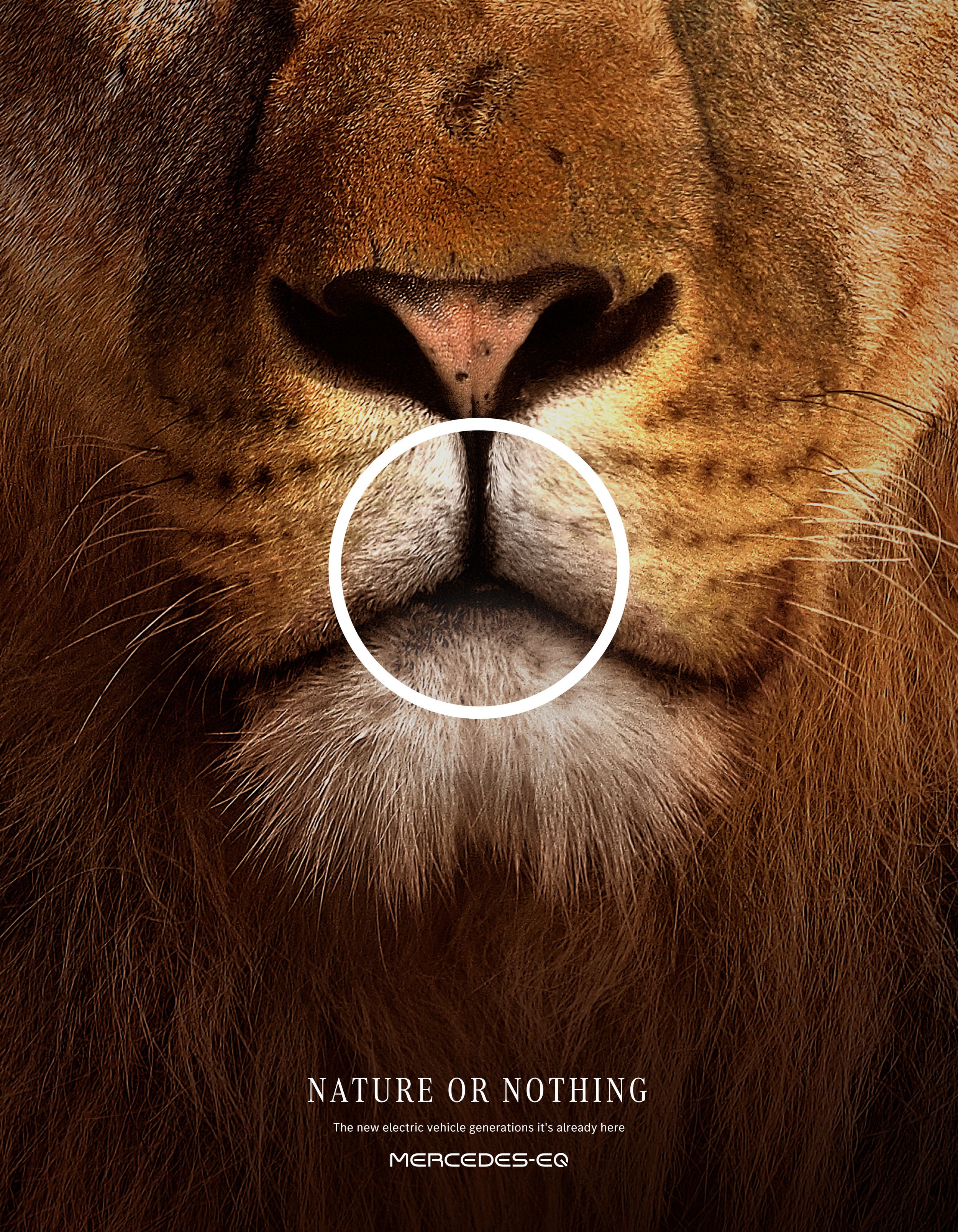
Mercedes’ recent campaign aimed to promote its electric cars by featuring imagery that incorporated natural patterns, mirroring its famous emblem. The ads were meant to emphasize the brand’s focus on sustainability, but instead, they sparked a backlash for presenting a misleading narrative.
While the campaign was initially well-received on social media, it didn’t take long for critics to accuse the brand of greenwashing—claiming to be environmentally friendly without substantial action to back it up.


What is Greenwashing?
Greenwashing occurs when a company presents itself as environmentally friendly, but in reality, its actions or products do not live up to the claim. This deceptive marketing tactic is used to mislead customers into thinking they are supporting a sustainable brand. However, as consumers become more vigilant, greenwashing is more likely to backfire.
In fact, Mercedes isn’t alone. Volkswagen, for example, faced a similar backlash after promoting its low-emission cars, only to be exposed for cheating emission tests in what became known as “Dieselgate.” You can read more about that case [here].


WhereFrom’s Clever Response
WhereFrom, a sustainability rating platform, saw an opportunity to challenge Mercedes’ campaign with a clever parody. On their Instagram post, they shared their alternative version, replacing the natural imagery with the harsh realities of climate change, including droughts, oil spills, and melting icebergs.
In their post, WhereFrom wrote:
“As gorgeous as these viral ads are, we’ve got other ideas. So @10days.london and @wherefrom_uk have taken them for a spin and given them a more realistic makeover. You know, without the greenwashing.”
WhereFrom’s version transformed Mercedes’ tagline to “NOTHING OR NATURE.” The parody highlighted the disconnect between the brand’s sustainability claims and the actual environmental crises we face today. They also added a green badge for their ‘Stop the Wash’ anti-greenwashing campaign.

The Power of Transparency in Branding
Greenwashing is not just a marketing mistake—it can seriously damage a brand’s credibility. Consumers today are more informed and expect brands to follow through on their environmental claims with meaningful action. Mercedes’ campaign, developed by Leo Burnett Mexico for Earth Day, attempted to promote a greener future with the tagline “Nuestro futuro siempre ha estado aquí” (translated as “Our future has always been here”). However, after criticism, the campaign’s message shifted to “NATURE OR NOTHING.”
WhereFrom’s parody reminded audiences that greenwashing can’t hide the truth about climate change—it’s already here. This response resonated with people who are tired of seeing brands use environmental imagery without making real changes.
Lessons from Mercedes: Authenticity Matters
The backlash Mercedes faced is a reminder that consumers are no longer passive. They can and will hold brands accountable for misleading claims. In today’s market, authenticity matters more than ever. Brands need to be transparent and genuine in their messaging, or they risk damaging their reputation.
As more companies aim to align with sustainability, it’s crucial to back up those claims with real, measurable actions. Otherwise, consumers and watchdog organizations like WhereFrom will continue to call out greenwashing.
Conclusion: Avoiding the Greenwashing Trap
Mercedes-Benz’s campaign highlights the risks of greenwashing in a world where consumers are paying closer attention to corporate sustainability. To build lasting trust, brands must move beyond surface-level messaging and demonstrate their commitment to positive environmental impact.
**What do you think companies should do to ensure their sustainability campaigns are authentic and transparent? **